
An interview with Alfonso Castillero,
Chief Executive Officer,
Liberian International Ship & Corporate Registry (LISCR)
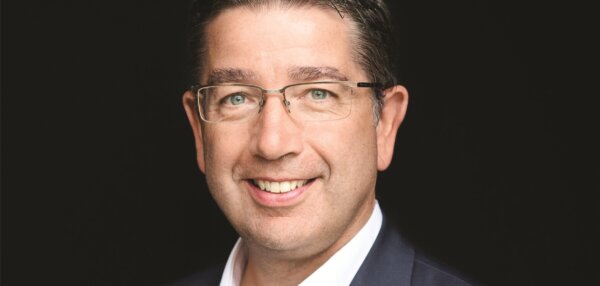
With more than 25 years of experience in the maritime industry, Alfonso Castillero, Chief Executive Officer of LISCR, shares his perspective on the key developments shaping the industry, the energy transition, and the role of people and innovation in the industry’s future. He also reflects on the partnership between LISCR and APEX Shipping & Energy, the importance of practical leadership, and the qualities that will define the success of energy transportation companies over the next decade.
Could you kindly introduce yourself to the APEX family and outline the professional journey that led you to your current role in the maritime industry?
I have spent more than 25 years in the maritime industry, and my career has given me the opportunity to view shipping from nearly every angle. I began as a seafarer serving on board tankers and containerships, an experience that instilled in me a deep appreciation for the people who keep global trade moving. From there, I moved into safety, survey, and regulatory roles before joining the Panama Ship Registry, where I eventually served as its head and led initiatives to strengthen compliance, modernise operations, and enhance its international standing.
In 2014, I joined the Liberian Registry, where I have served in several leadership roles, including Chief Commercial Officer and Chief Operating Officer, before becoming Chief Executive Officer. Throughout my career, I have stayed focused on one objective: building organisations that combine technical excellence with exceptional client service while upholding the highest standards of safety, quality, and regulatory compliance. It has been incredibly rewarding to help guide the Liberian Registry through a period of unprecedented growth, culminating in its position today as the world’s largest ship registry by gross tonnage. More importantly, I am proud to work alongside a talented global team committed to advancing innovation, strengthening international collaboration, and supporting the continued success of the maritime industry.
The Liberian Registry has built a remarkable reputation over the decades. What would you say are the qualities that have kept it at the forefront of the industry for so long?
I believe we have never allowed ourselves to become complacent. The shipping industry is constantly evolving, and we have worked hard to stay ahead by embracing innovation, strengthening our global presence, and developing practical solutions that enable our clients to operate safely, efficiently, and in compliance with international regulations.
At the end of the day, our reputation has been built on trust. Clients know they can rely on the Liberian Registry for responsive service, sound technical guidance, and a genuine commitment to their success, all while we uphold the highest international standards.
From a flag state’s perspective, how do you see the transition towards alternative fuels shaping the industry in the years ahead?
From a flag state perspective, the transition should not be seen as a shift to alternative fuels alone. Low- and zero-GHG-emission fuels will be essential in the longer term, but their global availability, affordability, and scalability will develop progressively, particularly when assessed on a well-to-wake basis. In the near term, the industry must therefore deliver meaningful reductions through operational and technological energy-efficiency measures, including voyage and power optimisation, improved hull and propeller performance, wind-assisted propulsion, shore power, waste heat recovery, and onboard carbon capture systems where these deliver verified GHG reductions.
Liberia’s view is that the International Maritime Organization’s (IMO) framework should remain practical, global, and environmentally robust, while staying neutral as to the technologies and fuels that can deliver verified GHG reductions. The first phase of the transition will depend heavily on efficiency and innovation, while the later phase will increasingly depend on scalable low- and zero-GHG fuels. For all solutions, including onboard carbon capture, the key is robust measurement, lifecycle accounting, safe handling, no double counting, and assurance that captured carbon is either permanently stored or reutilised without being released to the atmosphere. This balanced pathway can deliver immediate reductions while keeping shipping on course for net-zero GHG emissions by or around 2050.
Looking back on your time as CEO, is there a particular experience that has stayed with you and that you would be glad to share with the APEX family?
When I stepped into the role, we were not the world’s largest registry; we were competing for that position. My vision was never simply to become number one; it was to grow the Registry by earning our clients’ trust through exceptional service. Seeing it recognised today as the world’s largest registry, while it continues to lead on performance and innovation, is something I am incredibly proud of.
More recently, our work at the IMO on the industry’s path to net zero has stayed with me. Decarbonisation is one of the most significant challenges the shipping industry has faced, and it reinforced for me the importance of listening to the people who operate ships every day. As a flag administration, we have a responsibility to bridge policy and practice; that is why Liberia worked closely with shipowners and other stakeholders to submit a proposal that reflects operational realities and seeks solutions that are ambitious, practical, and implementable.
For me, this experience captures what leadership is about: bringing people together and helping shape practical policies that strengthen our industry.
How would you describe the working relationship between LISCR and APEX Shipping & Energy and what sets APEX apart from other companies you collaborate with?
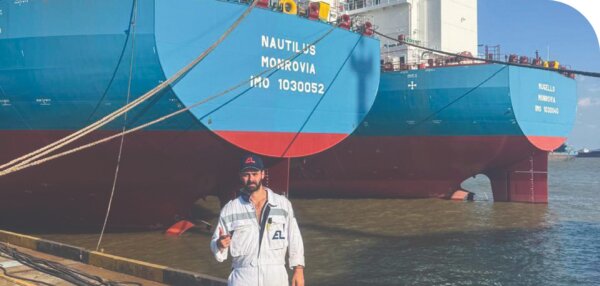
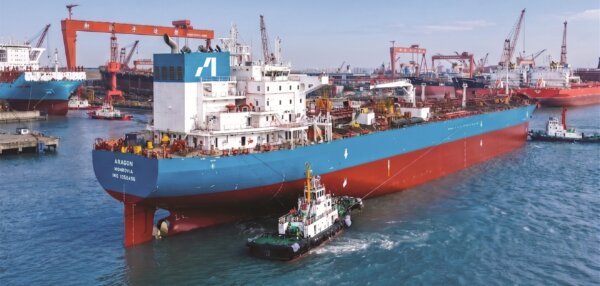
Our relationship with APEX has grown into a true partnership. We began working together with Evalend about eight years ago, and over the last several years we have expanded that relationship with APEX, particularly in the tanker sector. It has been a strong collaboration built on trust, open communication, and a shared commitment to excellence.
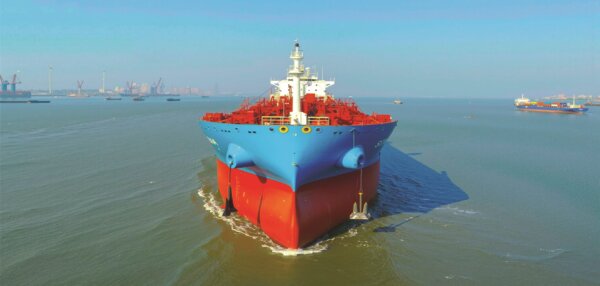
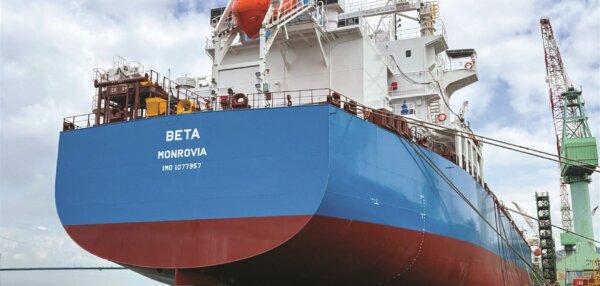
What sets APEX apart is its commitment to quality, a strong newbuilding programme, a highly capable team, and a culture that prioritises compliance, safety, and disciplined operations. Their outstanding Port State Control record, including zero detentions, speaks for itself. They do not just meet regulatory requirements; they ensure their entire fleet operates to the highest international standards. We are proud that APEX has chosen Liberia, and we look forward to building on this partnership for years to come.
What do you believe will define a successful shipping company in the energy transportation sector over the next decade?
The companies that will succeed over the next decade will be those that invest in people, embrace technology, and adapt quickly. It starts with people. One of the industry’s biggest challenges is attracting and retaining experienced seafarers; companies that prioritise training and invest in their crews will have a real competitive advantage.
At the same time, the regulatory landscape is evolving quickly, particularly as the industry works towards the IMO’s net-zero objectives. Companies that start preparing now by reducing their environmental footprint, understanding new regulations, and investing in the right technologies will be far better positioned than those that wait. Safety and reputation remain equally important: strong safety performance, low accident rates, and a culture of prevention are qualities clients, regulators, and partners will continue to value.
Finally, I believe artificial intelligence will become an increasingly important tool for optimising fuel consumption, voyage planning, and vessel performance, reducing emissions, and helping shore-based teams make faster decisions by connecting data across departments. The companies that combine skilled people with smart technology will lead the industry over the next decade.
Finally, what message would you like to share with APEX’s seafarers and shore-based teams as they continue to grow alongside a modern, expanding fleet?
My message is simply one of gratitude and encouragement. Whether you are at sea or ashore, your role matters; every day you help keep the world moving by transporting the food, energy, medicines, and goods people rely on. It is easy to lose sight of that because it is what we do every day, but shipping is essential to everyday life.
Be proud of your work. Keep investing in your knowledge, maintain the highest standards of safety and professionalism, and never lose sight of the responsibility that comes with your role. It takes the combined efforts of seafarers and shore-based teams to keep global trade moving.
I wish everyone at APEX continued success, and I look forward to watching the company grow while holding onto the values and standards that brought it this far.
Be proud of your work. Keep investing in your knowledge, maintain the highest standards of safety and professionalism, and never lose sight of the responsibility that comes with your role.